
The Terror and Wonder: The Gothic Imagination was probably the best exhibition The British Library has ever hosted, but then again, I am bias as gothic horror genre is one of my favourites.
The exhibition explored Gothic themes in art, architecture, literature, music, film and fashion with an array of interesting items such as a Memento Mori clock and a Vampire slaying kit.
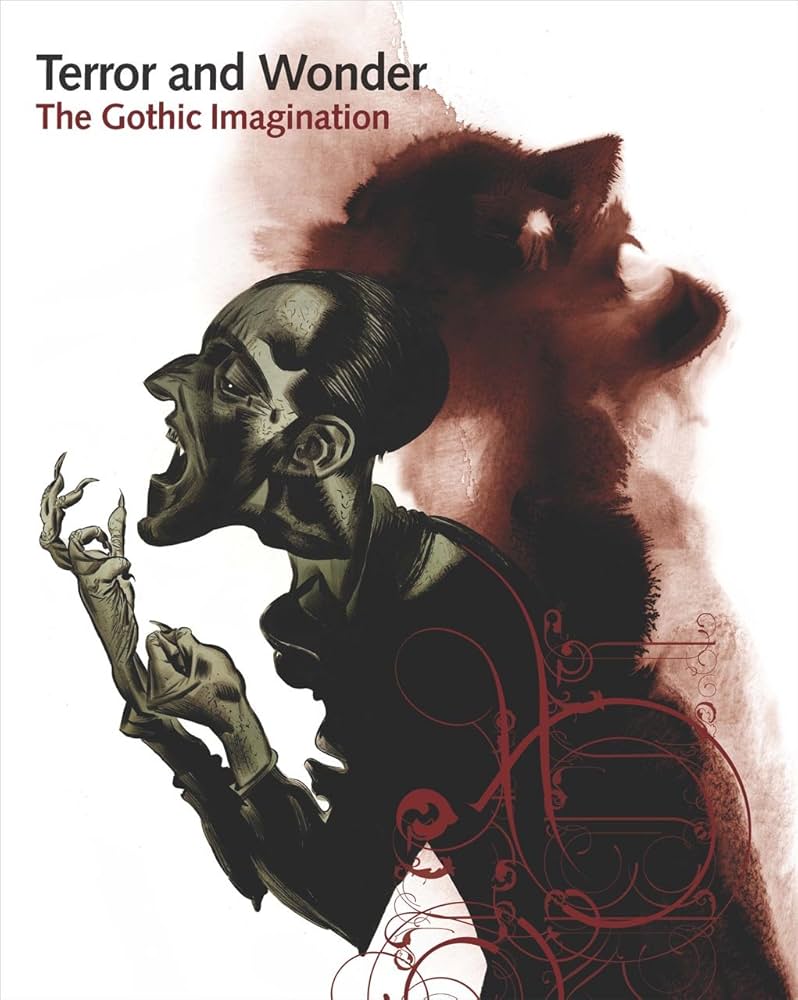
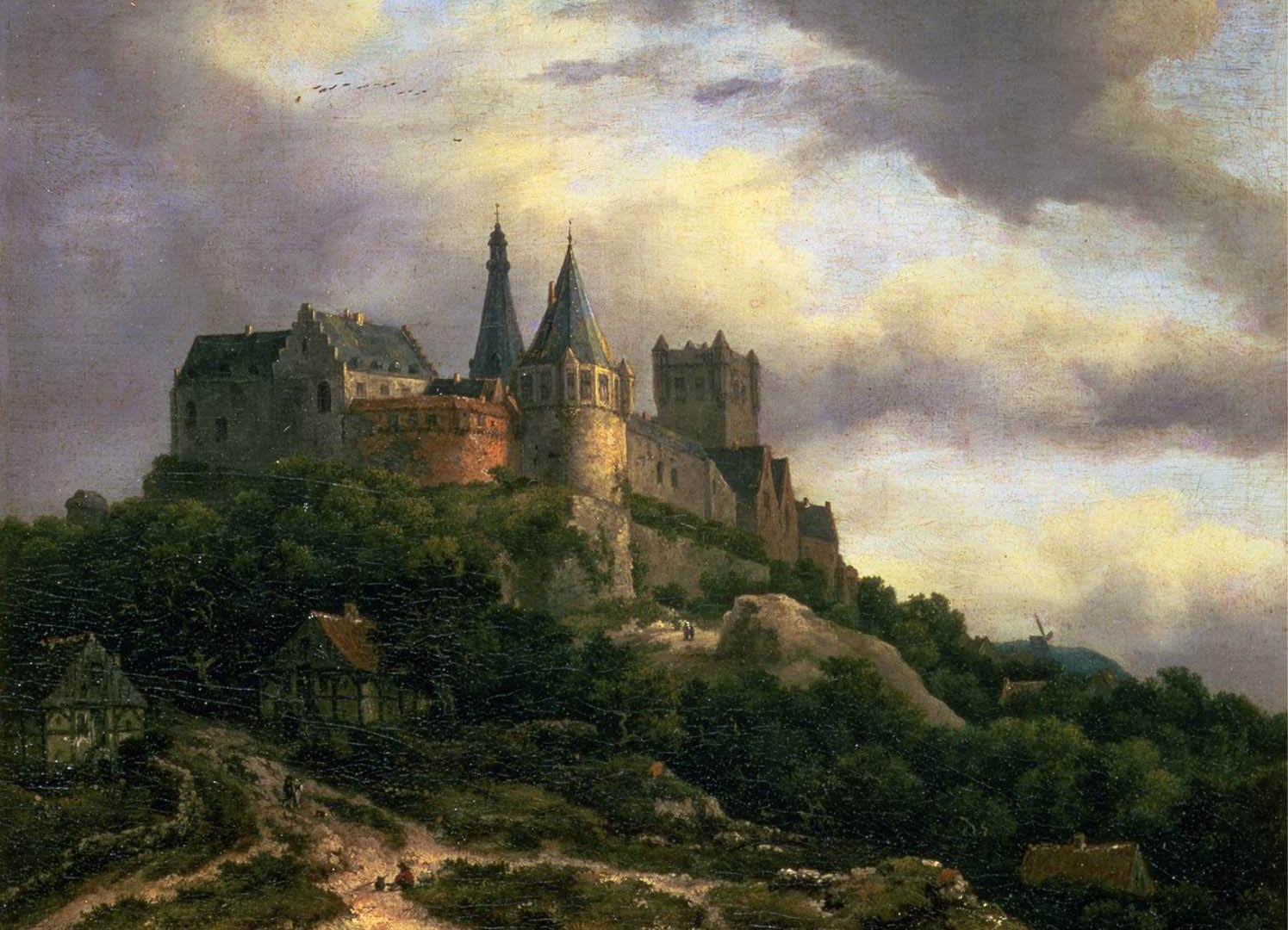
The exhibition starts perfectly and rightly with The Castle of Otranto, written by Horace Walpole and first published in 1764. Walpole’s novel was revolutionary as it was a blend of ancient romance literature + novel realism by combining a mix of fantasy and psychological depth. The eerie castle, stormy weather, and mysterious architecture set the stage for centuries of Gothic storytelling from Frankenstein to Dracula to Crimson Peak.
Walpole once said the story came to him in a nightmare, a vision of a giant armoured hand haunting his home, Strawberry Hill, a faux-Gothic villa he built himself.
Vampires O,..,o
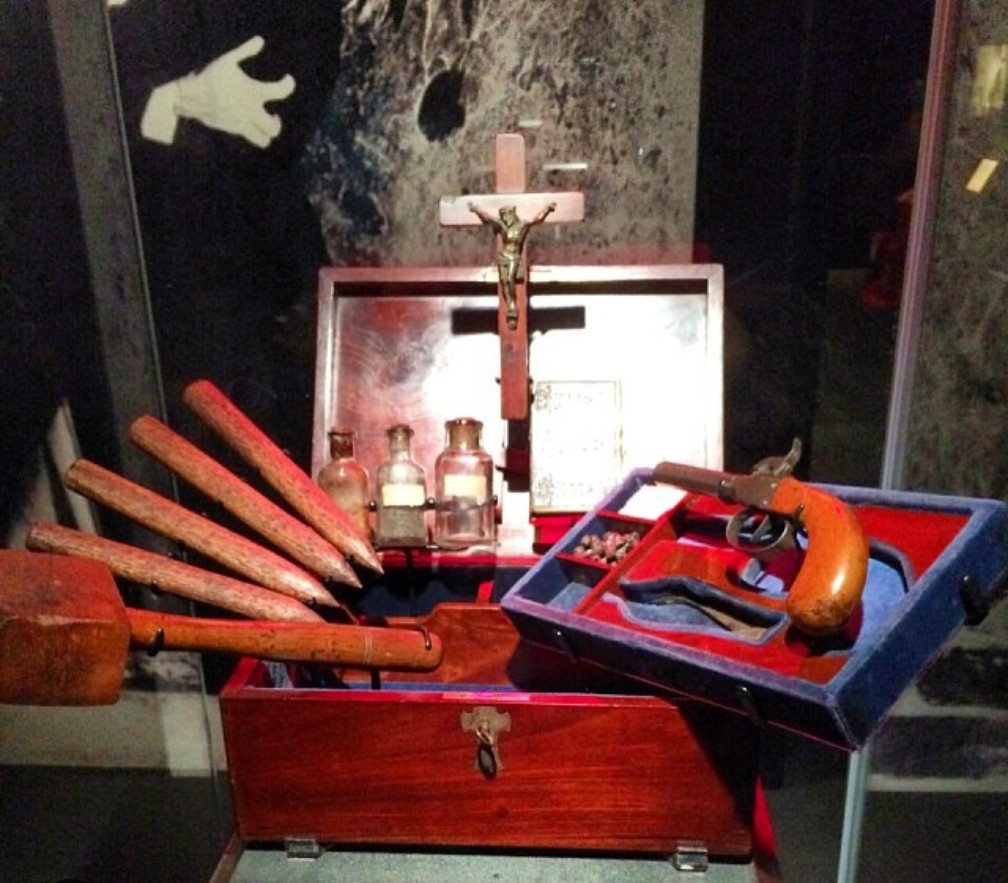
Pictured above is a 19th century vampire slaying kit. The kit laid bare stakes, crucifixes, pistols and vials of holy water.
There’s something timeless about the vampire. Elegant yet monstrous, seductive yet terrifying, it’s a creature that refuses to die, both in fiction and in our cultural imagination.
What was seen:
- Bram’s Stoker’s first edition of Dracula (1897) stood proudly on display. One of my all time favourite gothic novel.
- The Vampyre (1819) by John Polidori: Often overshadowed by Stoker, Polidori’s tale introduced the aristocratic vampire. Suave, seductive, and deadly. Inspired by Lord Byron.
- Victorian-era vampire panics were documented through newspaper clippings and pamphlets, revealing how fiction and hysteria often fed each other. I’m sure the penny dreadful short novels really stoked the fire during this time!
The exhibition also showcased the vampire’s cinematic transformation:
- Nosferatu (1922)
- Hammer Horror’s Dracula (1958): Christopher Lee’s portrayal added a dash of aristocratic menace, it feels!
Speaking of movies, there were also modern day movie props on display from The Shining, Wicker Man and Sleepy Hollow.
Read all about it!
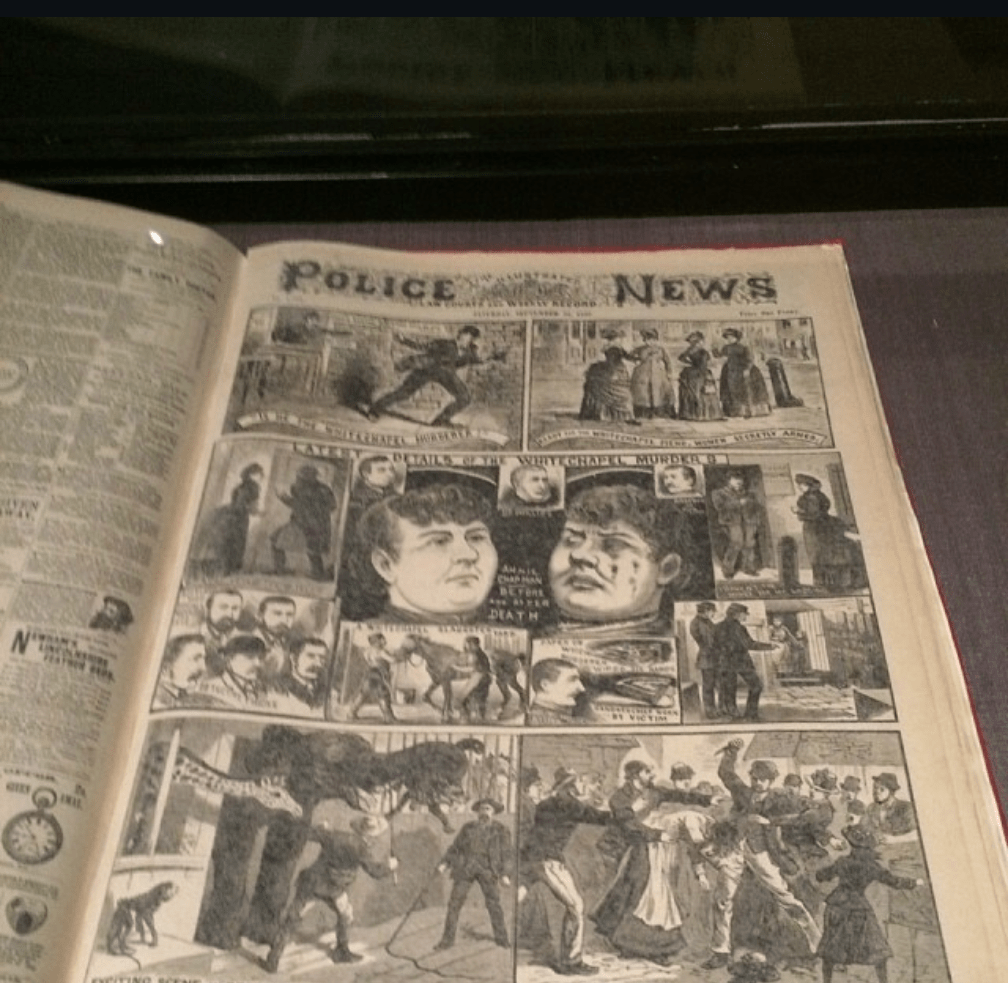
I’ve always been interested in the Jack the Ripper case and the chaos that surrounded the murders in East London in 1888.
The exhibition also included actual fear amongst communities and displayed several items including several hoax letters given to the police during the murders.
Above is the illustrated Police News which was one of the earliest British tabloid style newspapers – it’s content was largely devoted to the latest crimes carried out in London. In this case, The Ripper Murders. Published: 2nd September 1888.
Just a reminder
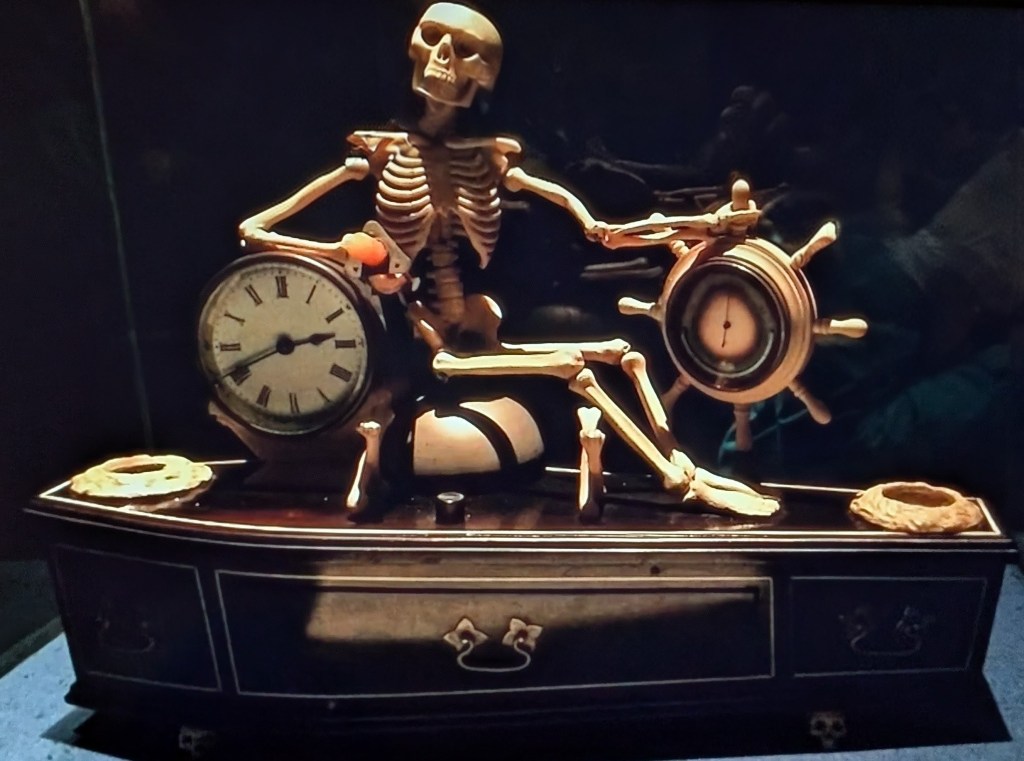
The clock on display was a 19th-century Gothic timepiece, adorned with skull motifs, bones, and dark wood carvings. Every tick was a heartbeat closer to the end, every hour a tolling bell for mortality. It also symbolises that Gothic isn’t just about ghosts, monsters and ghouls. It’s about the psychological weight of time, the beauty in decay, and the message of impermanence.
In an age of industrial progress and scientific optimism, the memento mori clock was a counterpoint, it’s a relic and reminder that we are not immortal.
In a world that rushes forward, the memento mori clock invites us to pause. To reflect. To feel the chill of our own impermanence and perhaps, to find beauty in it too…
 Jasmin Journal