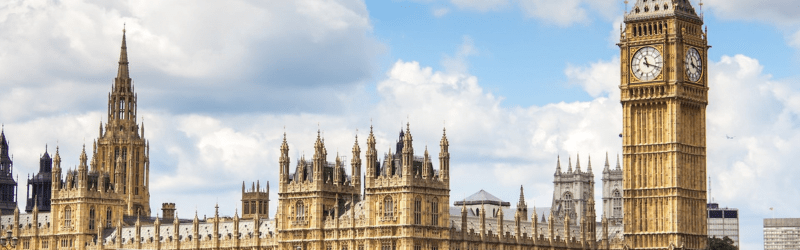
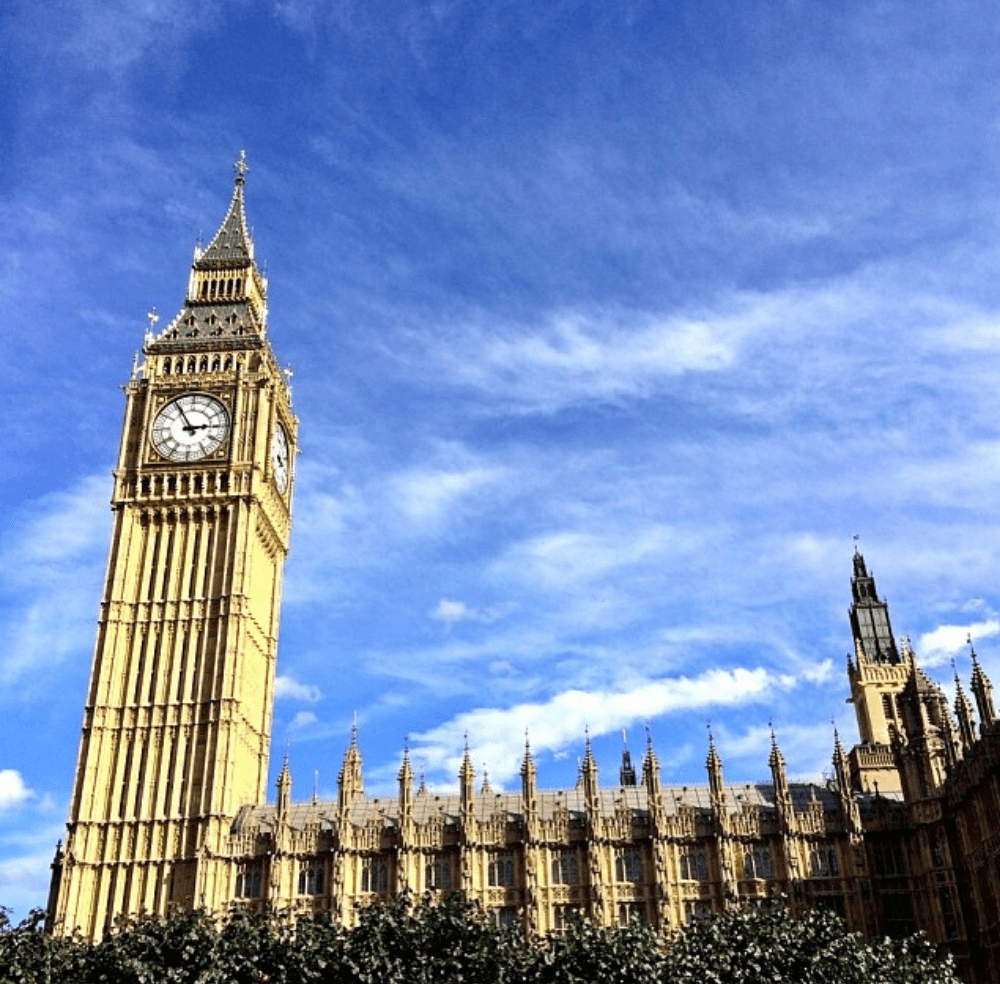
Stepping into the Houses of Parliament felt like walking through the pages of history. The tour offered an in depth view of our history surrounding monarchs, prime ministers and pivotal moments that shaped the UK. The areas we visited were the Central Lobby, Westminster Hall, House of Common and House of Lords. I took the opportunity to purchase several items from the store, one being all the copied versions of The Suffragettes campaign for equal rights.
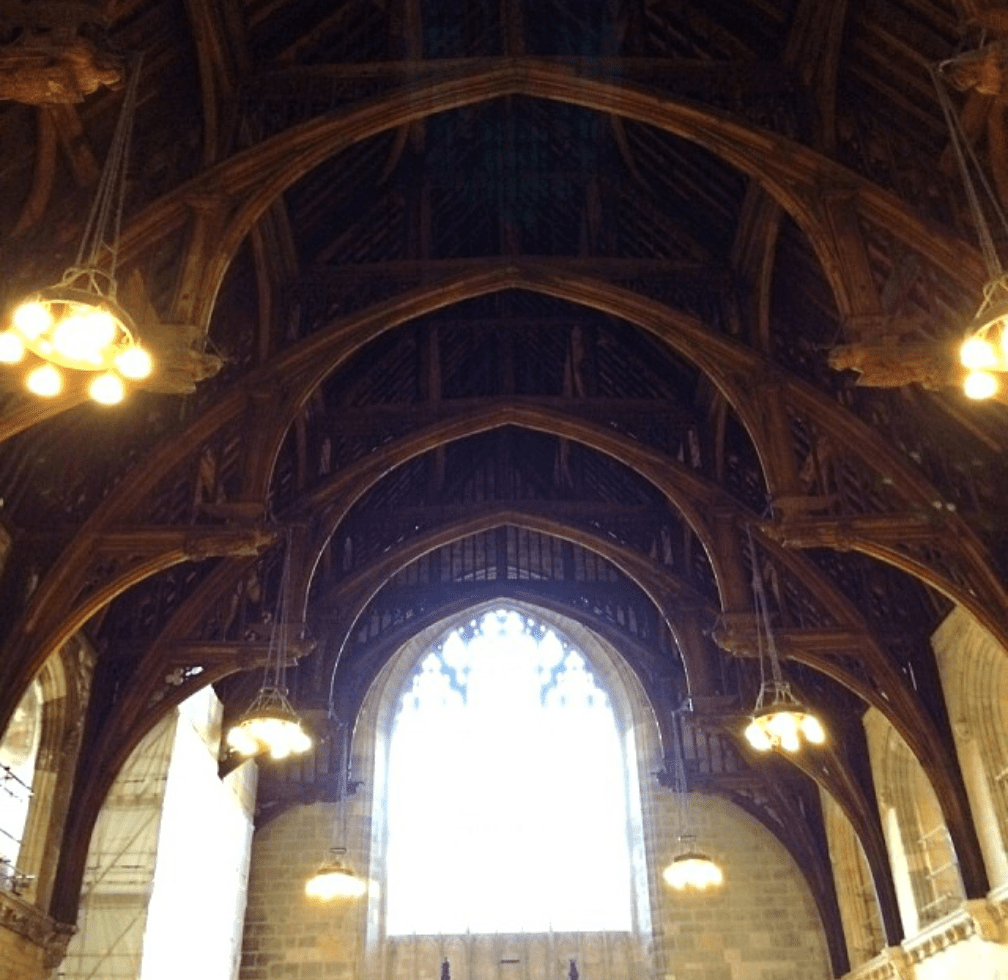
Westminster Hall –
Sections of the ceiling dates back to 1097 AD! Various monarchs and ministers over the past millennium have all added and restored the space which, when built was the biggest hall in Europe and is now the largest clear-span medieval roof in England. The quality of the hall is a testament not only to the craftmanship but also to the treatment of the wood as the majority of the ceiling dates back to 1393 under King Richard II rule but the installation of the new roof can be traced back to King Henry XIII reign in 1245. I’m glad it survived the Great Fire of London!
Central Lobby –
The Central Lobby sits at the intersection of the House of Commons and the House of Lords, forming the central point.
Traditionally, this space has served as a meeting point for Members of Parliament and the public. Citizens can come here to “lobby” their MPs hence the name. I particularly loved the design of the ceiling which is decorated in a Gothic Revival style, with mosaics representing the four nations of the UK – England, Scotland, Wales, and Northern Ireland.
The Central Lobby has been the backdrop for countless historic moments and is often featured in media coverage of major political events.
One that I learnt about on the tour was about 2 famous suffragettes Muriel Matters and Helen Fox chained themselves to the grille in the Ladies’ Gallery overlooking the House of Commons. The grille was a heavy brass screen that obstructed women’s view of debates… The women shouted, “We have been behind this insulting grille too long,” and refused to leave. The grille had to be removed with them still attached, and they were eventually freed by a blacksmith in a nearby committee room. After the grille was removed permanently in 1917, parts of it were installed in the windows of the Central Lobby. A plaque still marks the spot, reading:
“The brass screens now in the windows of this hall once formed the Grille fixed in the Ladies Gallery of the House of Commons.”

We then walked into the House of Commons (photos were prohibited) which was quite small! But the limited space is intentional. It encourages a more intense and direct style of debate. The chamber seats only around 427 MPs and others tend to stand along the aisles. This is particularly seen during Prime Minister’s Questions, the room looks quite packed.
Some facts:
- As the lower house, it actually holds more legislative power than the House of Lords. The government is formed by the party (or coalition) with the majority of seats here.
- The original chamber was destroyed during the Blitz in 1941. Winston Churchill insisted that the rebuilt chamber remain small
- The House of Commons dates back to the 13th century, when elected representatives began to sit separately from the nobility and clergy.
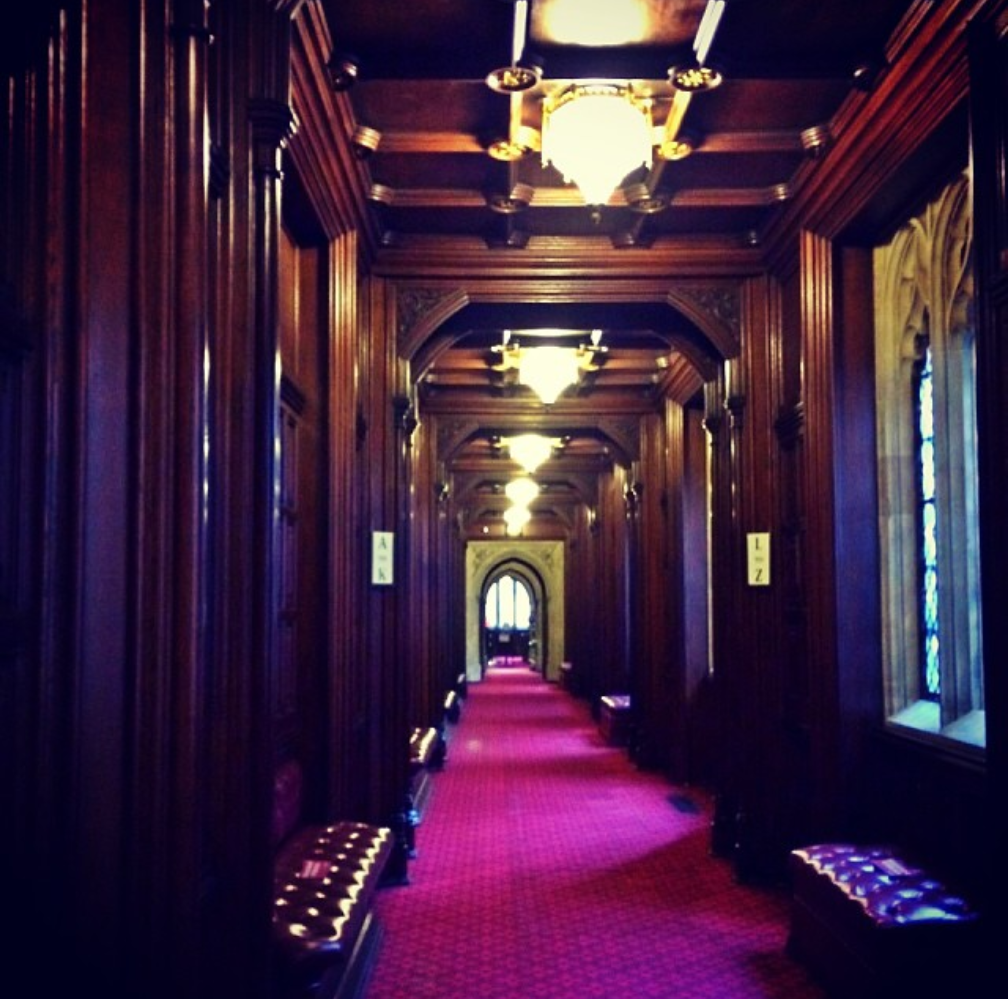
Next was moving onto the House of Lords. I found this chamber particularly interesting as I always had interest in it because as someone that has done auditing before (and still kind of do) the House of Lords primary role is to review and amend bills passed by the House of Commons. It acts as a “revising chamber,” ensuring laws are well-crafted and thought through.
There has been numerous debates where governments have been scrutinised and because of this, the debates in the House of Lords are quite interesting. The Lords committees conduct in-depth investigations into topics like healthcare, justice, and climate policy from experts in law, science, medicine, business and the arts. Their reports can influence government decisions.
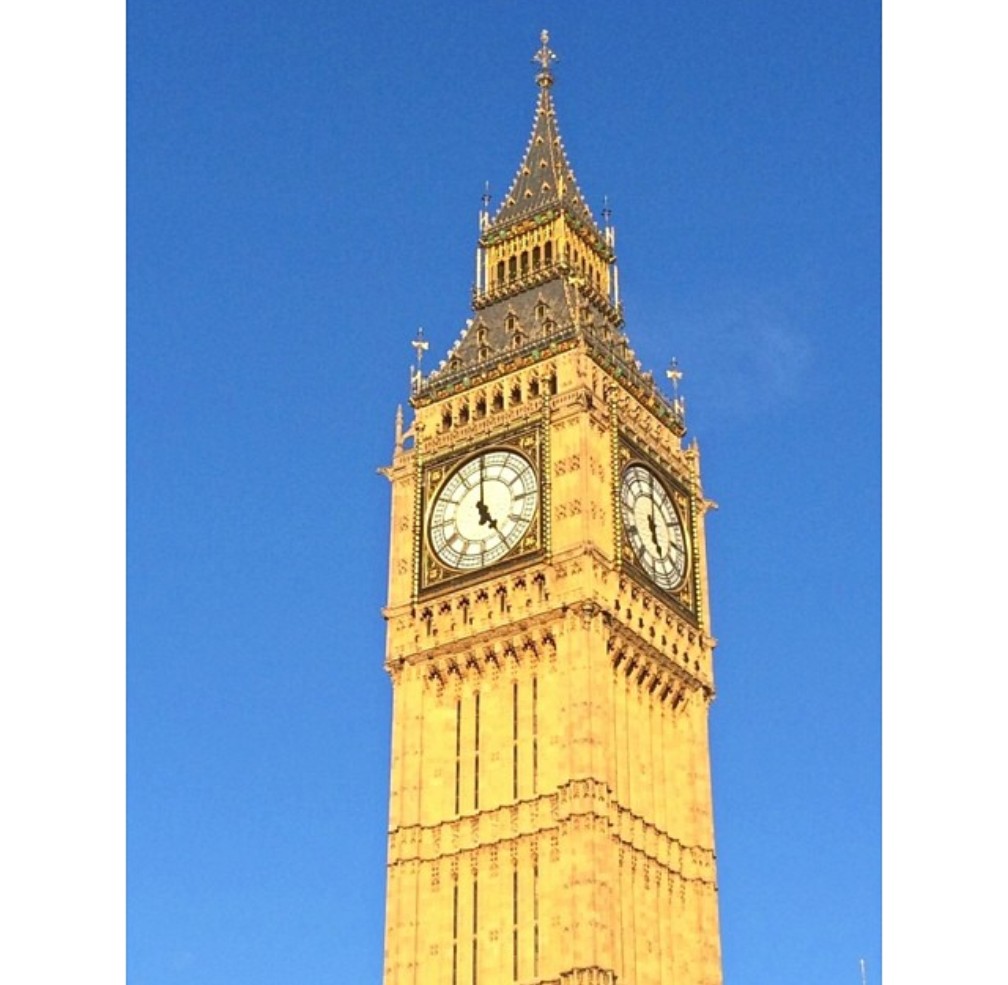
You can visit the Houses of Parliament by visiting their official website here: https://www.parliament.uk/visiting/visiting-and-tours/
Getting to Houses of Parliament: https://www.parliament.uk/visiting/access/directions/
 Jasmin Journal