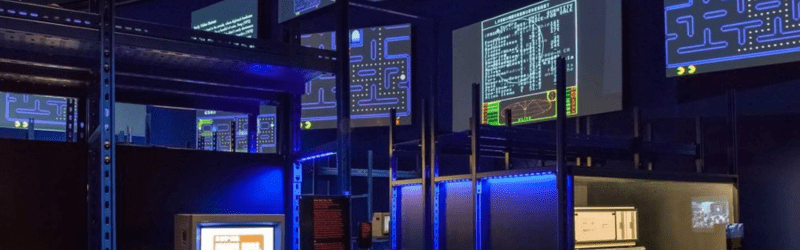
The Digital Revolution exhibition at the Barbican Centre in London ran from 3 July to 14 September 2014, and it was a groundbreaking celebration of how digital technology has transformed the arts since the 1970s.
Creative technological innovation was on display that varied across different digital outlets such as gaming, music, fashion, movies, interactive panels and coding.
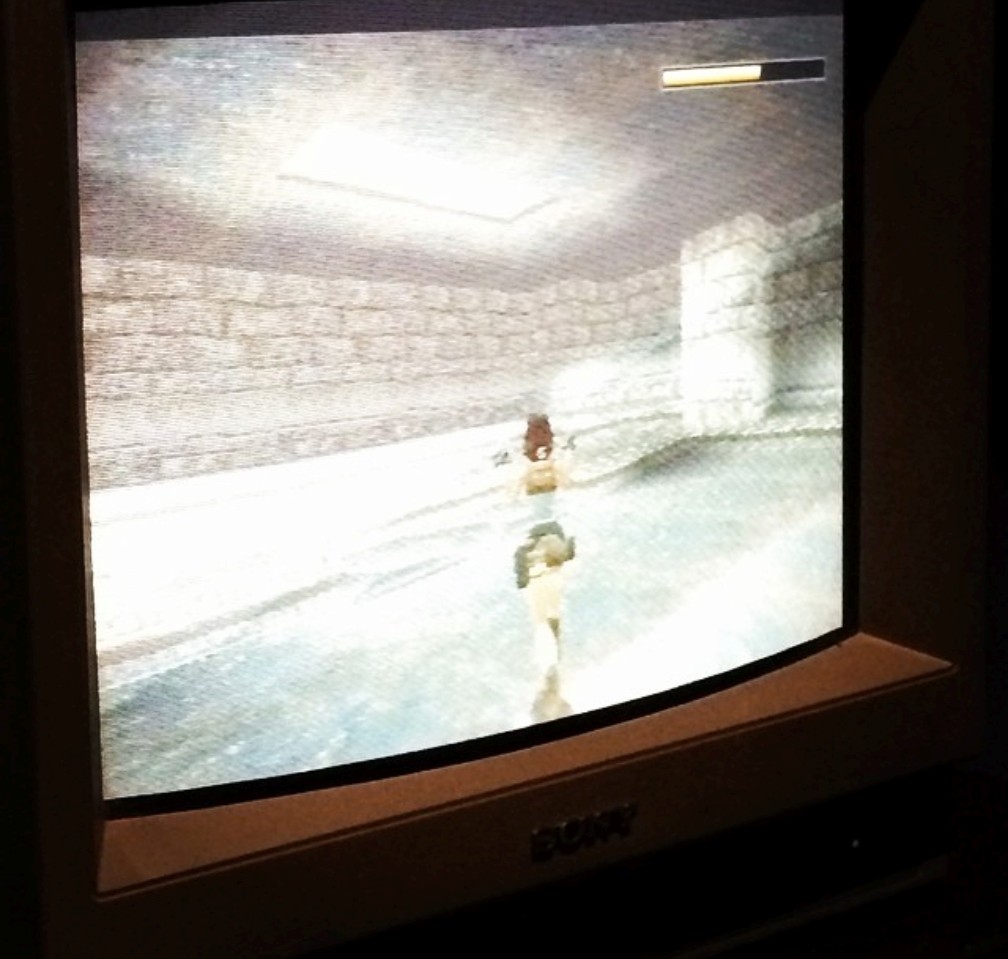
The exhibition opens with a nostalgic look back at 40 years of digital technology, with a special focus on gaming. Visitors can dive into the experience by playing nearly every featured game such as Ping-Pong and Pacman either on its original console or through modern-day simulations. I started gaming in the late 90s, therefore these games particularly resonated with me and of course they had the first Tomb Raider game which was playable on the PS1 on a Trinitron TV
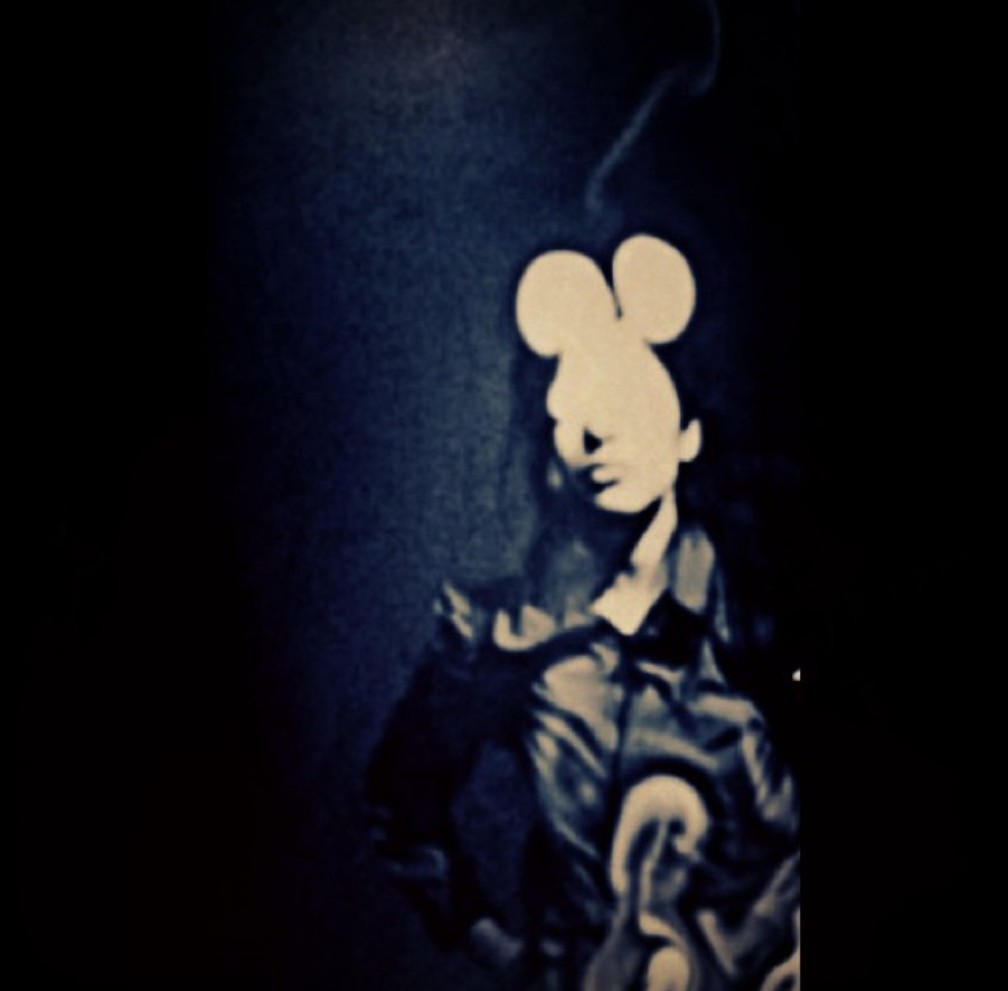
Further into the exhibition it evolved into a dynamic fusion of commercial art and cutting-edge digital trends. Concepts like crowd-sourcing, 3D printing, and motion recognition take centre stage, showcased through striking and immersive installations. Below video and image featuring Digital Artist Chris Milk’s work.
In the Creative spaces of the exhibition pulled back the curtain on the visual effects behind blockbuster films like Inception and Gravity. It showcased the technical excellence of studios like Double Negative and Framestore.
Google’s DevArt section was a revelation. Here, code was not just a tool – it was the art itself. Works by Karsten Schmidt and Zach Lieberman demonstrated how programming languages can be used to craft dynamic, responsive installations that react to human input in real time.
And last but not least the Digital Futures section displayed wearable tech and experimental fashion. From Studio XO’s LED-infused costumes for Lady Gaga to Pauline van Dongen’s solar-powered garments, it was a glimpse into a world where clothing becomes an interface. I particularly loved the iMiniSkirts!
Digital Revolution 2014 was a great exhibition. It proved that digital art isn’t niche or novelty – it’s the new normal. And it made that future feel thrilling, inclusive, and endlessly imaginative ^_^
 Jasmin Journal