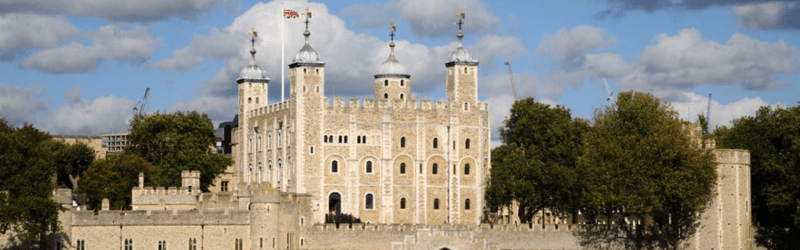
The Tower of London is a historic castle located on the north bank of the River Thames. It was founded towards the end of 1066 as part of the Norman Conquest of England. The White Tower, pictured below was built by William the Conqueror in 1078.
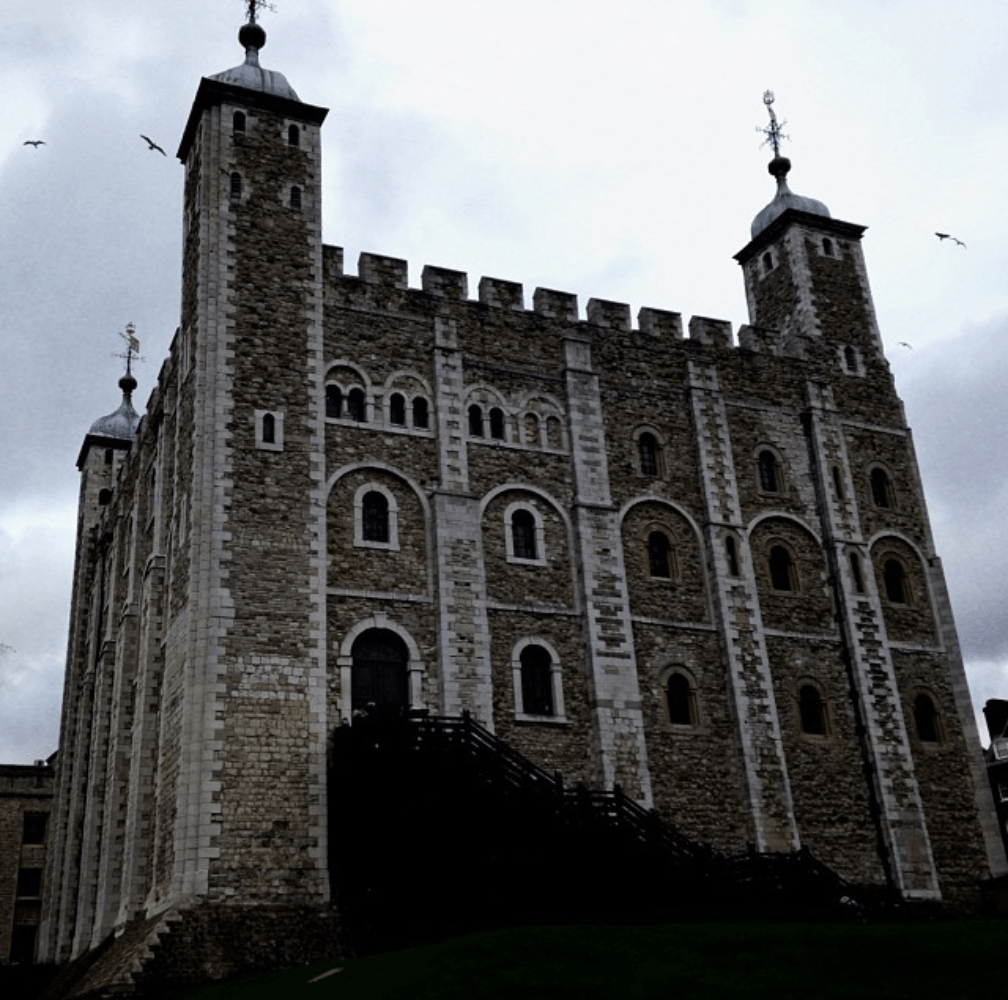
Over the centuries, it has served historically as a royal palace, a political prison, a place of execution, an arsenal, a royal mint, a menagerie, and a public records office. It also housed the Crown Jewels of England, a collection of royal ceremonial objects, including the famous Imperial State Crown.
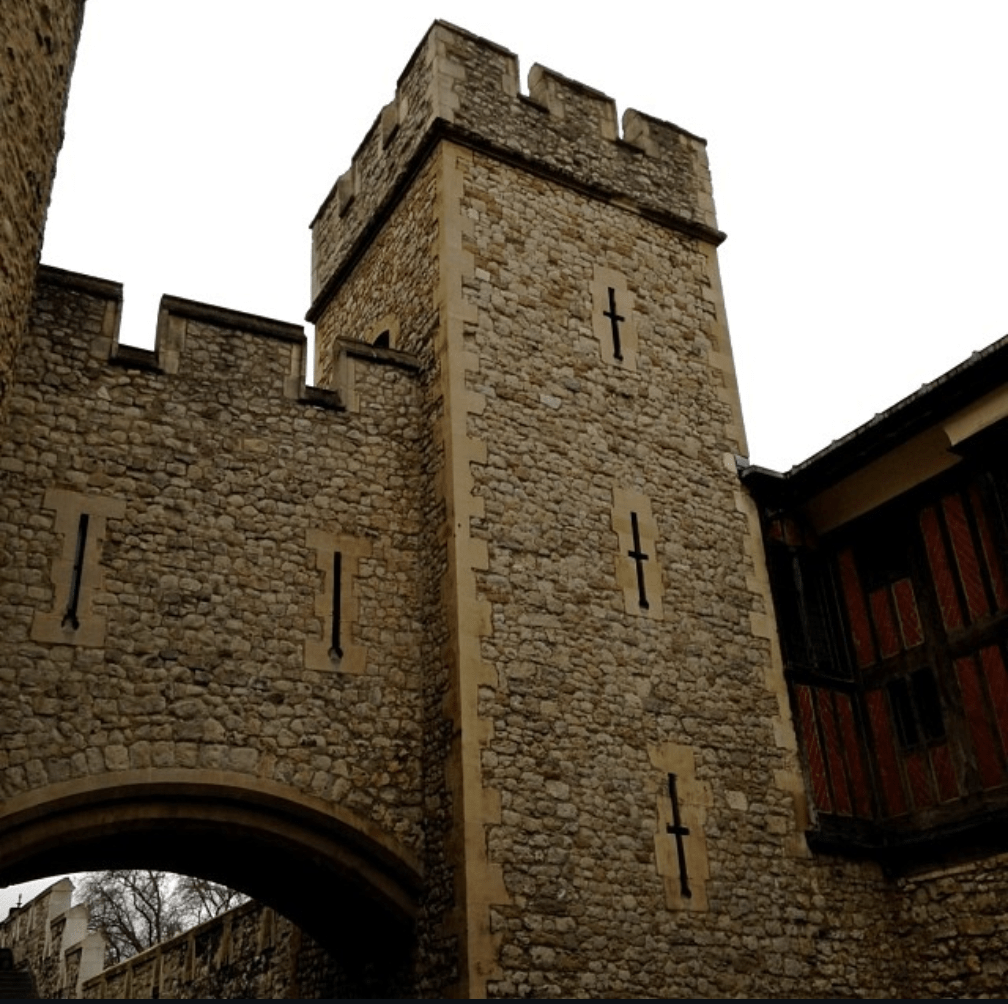
I found the design of the fortress quite intriguing and it was very fitting to be so close to the River Thames. Most notably, the only entrance from the land is at the southwest corner, from the City; when the river was still a major highway of London, the 13th-century watergate was much used. Its nickname, Traitors’ Gate, derives from the prisoners brought through it to the Tower, which was long used as a state prison.
If you’re a history nerd, there’s usually specific moments in a country’s history that stands out and for me it always has been The Tudors! See Hampton Court Palace.
Anne Boleyn is one of the most intriguing figures in British history, and her connection to the Tower of London is both significant and tragic. Anne became the second wife of King Henry VIII in 1533 after a controversial courtship that led to England’s break with the Catholic Church. Despite her initial favour with Henry, Anne failed to produce a male heir, which led to her downfall. She was accused of adultery, incest, and high treason (Bloody Thomas Cromwell! *shakes fist*)
Anne was arrested on May 2, 1536, and taken to the Tower of London. She was then found guilty of the charges against her. She was executed by beheading on May 19, 1536, within the Tower grounds.
The Ravens
The ravens at the Tower of London are a fascinating and integral part of its history and mythology. It is believed that if the ravens ever leave the Tower of London, both the Tower and the kingdom will fall. The earliest known reference to captive ravens at the Tower is from 1883, though the legend likely has deeper roots in British folklore.
There are currently nine ravens living at Tower of London, each of which have it’s own name and personality 🙂 The ravens can be seen in various parts of the Tower, particularly on the South Lawn.
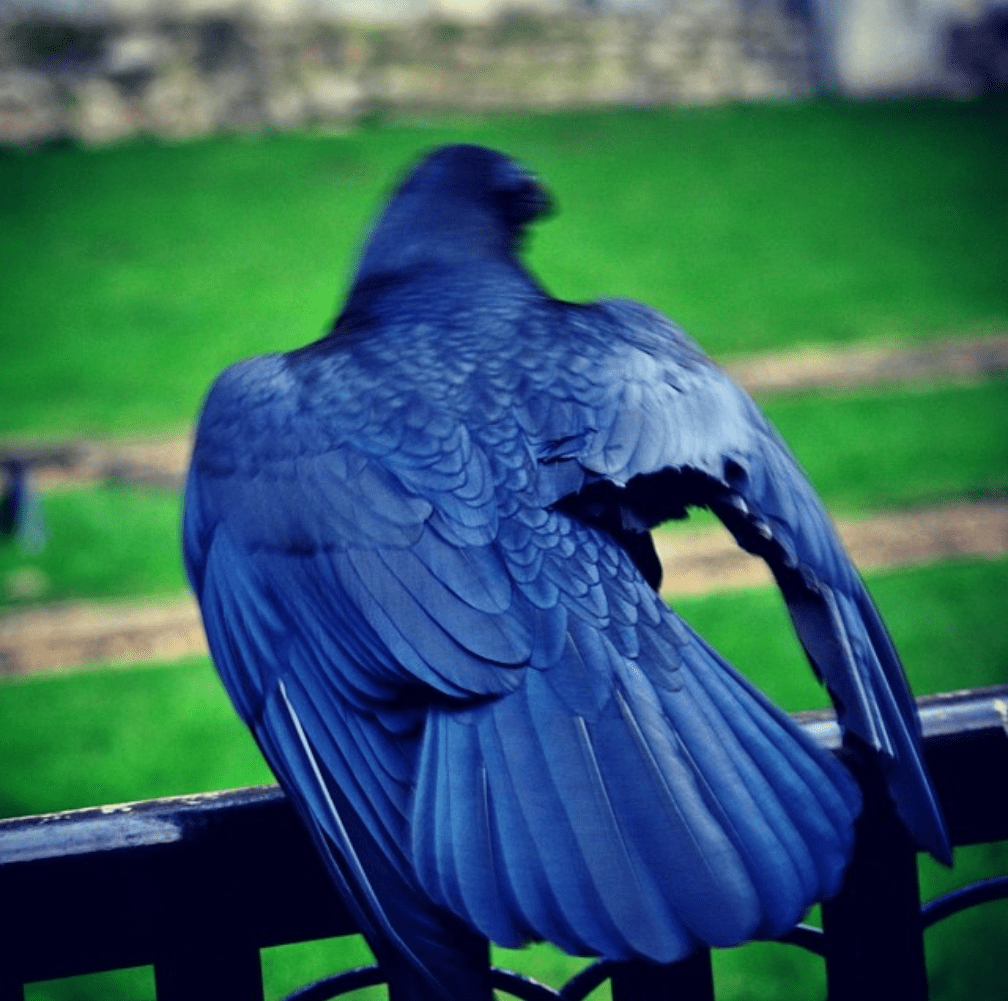
The ravens are cared for by the Ravenmaster, a Yeoman Warder who ensures their well-being and manages their daily activities. One of the favourite Ravenmaster, however since retired is Chris Skaife – Instagram: https://www.instagram.com/ravenology1/?hl=en
Book: https://www.historicroyalpalaces.com/the-ravenmaster-lifewiththeravens-atthe-toweroflondon-book.html
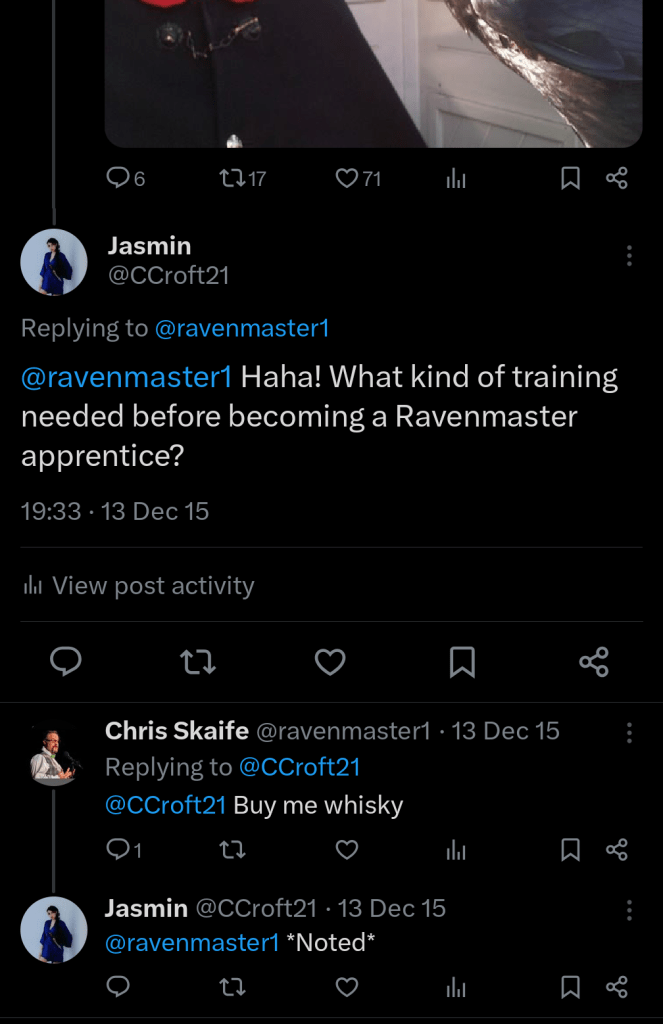
My attempts to try and become a Ravenmaster apprentice:
How to get here –
The Tower is located within easy walking distance of several London Underground and national train stations including:
- 5 mins from Tower Hill Underground station – served by the District and Circle lines and step free access to street level.
- 10-15 mins from Monument, Bank, Aldgate, Aldgate East London Underground stations
You can also travel by river boat. Tower Pier is served by river boats travelling from various piers including Westminster and London Eye and is located next to the Tower entrance.

 Jasmin Journal